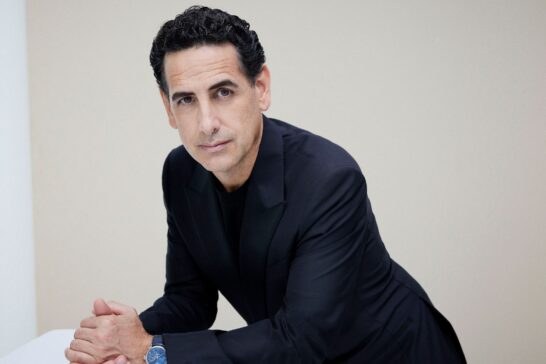
Eric Lu (Piano ’20) on Musical Conviction and Artistic Growth

This past October, Eric Lu (Piano ’20) won the 2025 International Chopin Piano Competition, becoming the first American since 1970 to receive the honor. As the top prize winner, the 27-year-old pianist received 60,000 euros and a gold medal—as well as a world-class platform to further his already burgeoning performance career.
What did it take for Lu to achieve this monumental milestone? And in such high-stakes environments, how does he sustain focus? We sat down with Lu to find out.
You first competed in the Chopin Competition back in 2015, where you placed fourth. What inspired you to compete again? What about your 2025 experience felt distinctive from this first one?
I felt I wanted to aim higher—for a more sustained kind of career. That’s why I went back. In my view, the Chopin Competition is the single most important piano competition in the world. The kind of career that comes out of it is usually very major. When I first competed at age 17, I was just a student with no expectations or experience. Now, with ten years of performing under my belt, I had the motivation to show the world a new, more mature artist.
Over the past decade, how has your artistic voice evolved? Are there things you feel you understand about Chopin now—or about yourself as a musician—that you didn’t when you first competed?
It’s a natural evolution—you’re able to experience music much more deeply with time. You develop greater conviction about what you want from each individual piece. Your intuition also develops significantly over time by studying music, exploring different composers, and performing on stage.
I didn’t prepare for this competition with a teacher; I had a clear vision of the kind of sound and emotional world I wanted to create in the moment. It’s a sort of musical conviction.
As musicians, our process is often just as important, if not more so, than performance. In what ways has your process as an artist evolved over the past decade? Are there specific parts of your process that helped you succeed?
It’s hard to say because everyone is different. But in general, I think what’s most useful is always striving to improve. For me, performing on stage is really when I’ve been able to develop my own voice. Time and experience are everything, and they can’t be replicated. Try to appreciate that everything is a process, and that performance is just one part of it.
The Chopin Competition is one of the most high-pressure musical environments in the world. How do you stay grounded and focused amid that level of expectation?
Honestly, nothing can really prepare you for it— you just have to do it. It comes with time and experience. High-pressure concerts can help you focus even more. And preparing for them always teaches you something.
What are you most excited about next?
I’m excited to keep growing, developing, and learning new repertoire. The process is always continuous. I’m also looking forward to debuting this summer with Boston Symphony Orchestra, which is my hometown orchestra, and the Philadelphia Orchestra. It was always one of my goals; I grew up listening to both ensembles as a student. It’s very special to be on stage up there.